
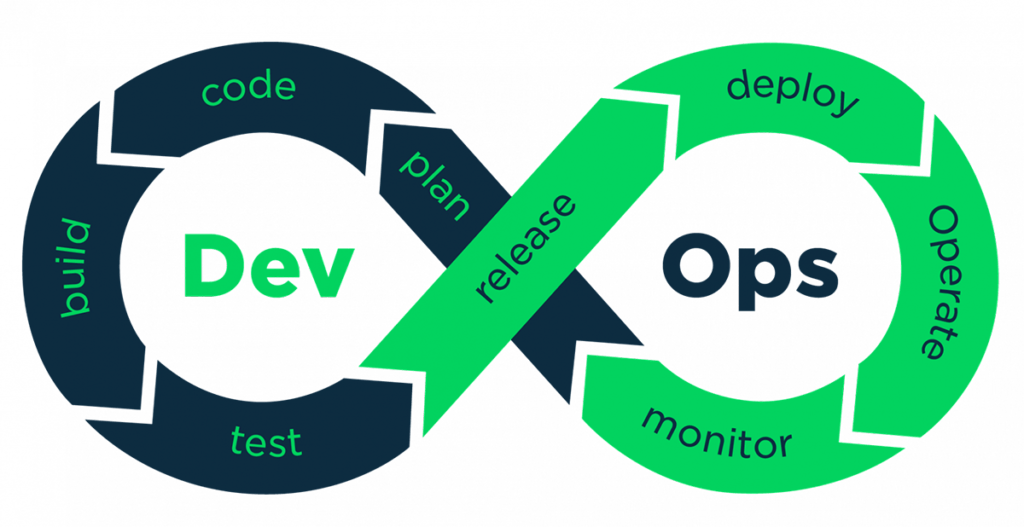
Introduction:
In the ever-evolving landscape of software development, the role of a DevOps engineer has become increasingly crucial. DevOps, a combination of development and operations, aims to streamline the software delivery process, ensuring efficiency, collaboration, and continuous improvement. If you're aspiring to become a DevOps engineer, this guide will walk you through the essential steps to embark on this exciting and dynamic career path.
1. Understand the DevOps Culture:
DevOps is not just a set of tools; it's a culture that emphasizes collaboration, communication, and integration between development and operations teams. Start by familiarizing yourself with the principles of DevOps and the cultural shift it brings to the software development lifecycle.
2. Develop a Solid Foundation:
A DevOps engineer needs a strong background in both development and operations. Acquire proficiency in scripting languages such as Python, Ruby, or Shell. Gain expertise in system administration, networking, and security to understand the operational side of the equation.
3. Learn Version Control:
Version control systems like Git are fundamental to DevOps practices. Mastering these tools will enable you to manage source code efficiently, track changes, and collaborate seamlessly with other team members.
4. Automation is Key:
DevOps is synonymous with automation. Learn configuration management tools like Ansible, Puppet, or Chef to automate infrastructure provisioning and application deployment. Continuous Integration (CI) and Continuous Deployment (CD) tools such as Jenkins, Travis CI, or GitLab CI are also essential components of the automation process.
5. Cloud Computing Skills:
DevOps often involves working with cloud platforms like AWS, Azure, or Google Cloud. Familiarize yourself with cloud services, understand how to provision and manage resources, and leverage the scalability and flexibility offered by cloud environments.
6. Containerization Technologies:
Containers, with Docker being a popular choice, play a significant role in DevOps. Learn container orchestration tools like Kubernetes to manage and scale containerized applications effectively.
7. Monitoring and Logging:
Implementing a robust monitoring and logging system is crucial for identifying issues, tracking performance, and ensuring the reliability of applications. Explore tools like Prometheus, Grafana, ELK stack (Elasticsearch, Logstash, Kibana), and others.
8. Security Best Practices:
As a DevOps engineer, understanding security is paramount. Learn about security best practices, including how to secure code, infrastructure, and deployments. Stay informed about the latest security threats and vulnerabilities.
9. Soft Skills Matter:
DevOps is not just about technology; it's also about collaboration and communication. Develop strong interpersonal skills, as you'll be working closely with development, operations, and other cross-functional teams.
10. Continuous Learning:
The tech industry is dynamic, and DevOps is no exception. Stay updated with the latest trends, tools, and best practices. Engage with the DevOps community through forums, conferences, and online platforms to share knowledge and stay connected.
Conclusion:
Becoming a DevOps engineer is a rewarding journey that requires a combination of technical skills, a collaborative mindset, and a commitment to continuous improvement. Embrace the DevOps culture, master essential tools, and stay curious in your pursuit of knowledge. By following this guide and staying dedicated to your professional growth, you'll be well on your way to thriving in the world of DevOps. Good luck!